Sharing news content to connect with others
Socialize mode describes the interpersonal nature of modern news consumption. While our previous work listed this as an individual mode, our current data suggests sharing news is less a discrete consumption habit and more of a long-term relational action to be considered in its own context.
Consumer need
Socialize was one of the original modes in our previous report; at the time, we understood it primarily in terms of content consumption: “In the Socialize mode, young consumers want to deepen social ties through the content they consume in a way that makes them feel smart, connected and socially validated.” Today, we realize that Socialize is bidirectional. It contributes to our expanded understanding of both the Sifting and the Consuming modes. News consumers weigh content sent from trusted sources differently during their sifting process. Sharing news can be important for building bonds, improving social standing and educating peers because news consumers believe their knowledge might help others.
We learned that for many of our respondents, there is no more valued, trusted source than friends and family, and often these connections help cut through content overwhelm. Respondents say:
When friends or trusted contacts share news, I tend to pay more attention because it feels more relevant and relatable.
I think it more potent when someone you know shares news with you because it concerns them enough to share it and then by extension it affects you. Overall its more valuable than regular browsing news.
When people I know personally share news content with me it feels valuable and very relatable, it can be news that I have probably missed and when it comes from them I'm more likely to engage with it.
Socialize remains an important part of consumption. Sometimes, people want to ask friends, family or other trusted people to help substantiate or sensemake. Other times, they want to be seen as knowledgeable. And still other times, they just have information they think other people need to know.
Sharing news content with friends has a lot of value for me. It's not just about passing along information—when I share news, I get to hear my friends' opinions and see their reactions. Sometimes they notice details I missed, or offer a side of the story I hadn't considered. It makes discussions more meaningful and helps all of us understand issues from different perspectives. Sharing news also keeps our group connected, encourages debates, and sometimes even helps us support each other when serious topics come up. For me, it's a way to stay engaged, learn more, and feel closer to the people I care about.
I find value in sharing news with friends because we're able to discuss it and it allows me to get other perspectives on the topic.
Sometimes I share a piece of news to see what other opinions people have around me. It's a great way to start conversation as well as think a bit yourself.
What triggers Socialize?
Socialize is bi-directional, having characteristics of both the Sift and Consumption behaviors.
Like Sift modes
- Receiving links from friends, family or co-workers via emails, group chats or direct messages
Like Consumption modes
- Sharing links with friends, family or co-workers via emails, group chats or direct messages
Socialize behaviors
Like Sift modes
- Committing to consume a news story that otherwise would not be interesting solely because of a relationship to or connection with the sender.
Like Consumption modes
- Sharing news with personal connections to improve social standing, establish personal expertise or to signal good taste.
- Interpreting the import of a news story differently because of conversation with personal or professional connections
How news producers can respond
Build for sharing
Create content that people want to send to their peers
This is how audiences become distributors. Instead of information being pushed by news producers, it travels laterally — among peers, in group chats, across feeds. The most effective news producers design content that sparks this behavior, content that is emotionally resonant enough to share, simple to grasp and easy to repost. It also helps close the affinity gap identified in our previous research, as producers move beyond stating facts to build genuine relationships that make audiences want to share.
Leading news producers tell human stories
People are far more likely to share a moment of warmth or recognition than a data-heavy or complex story. These producers focus on local and personal narratives that celebrate small wins, resiliency or creativity. For example, Morning Brew’s Out There with Macy Gilliam spotlights local entrepreneurs in short clips that “feel good to share,” building reach and brand affinity.
Successful news producers sometimes use memes to condense meaning and inject humor
Litquidity, a finance and investment social brand, uses humor to comment on market news and expose the irrationalities that often define it. Across its feed posts, Reels, and Stories, it draws on viral movie clips, celebrity quotes, famous punchlines and playful graphics to deliver quick, witty takes on the day’s financial stories. The result is distinctive memes that make complex market behavior feel more understandable and entertaining. FT Alphaville — a free mini-brand within the Financial Times — illustrates how humor and cultural fluency can attract new audiences to a traditional news organization. Its tagline — ‘We love financial plumbing, debt crises, balance sheets, margin calls, economic puns and snark’ — captures its strategy. It often engages on Reddit ‘Ask Me Anything’ to drive interest back to the site, while also using playful chart edits that are more shareable, such as this Halloween-based markets story.
Successful news producers optimize for effortless sharing
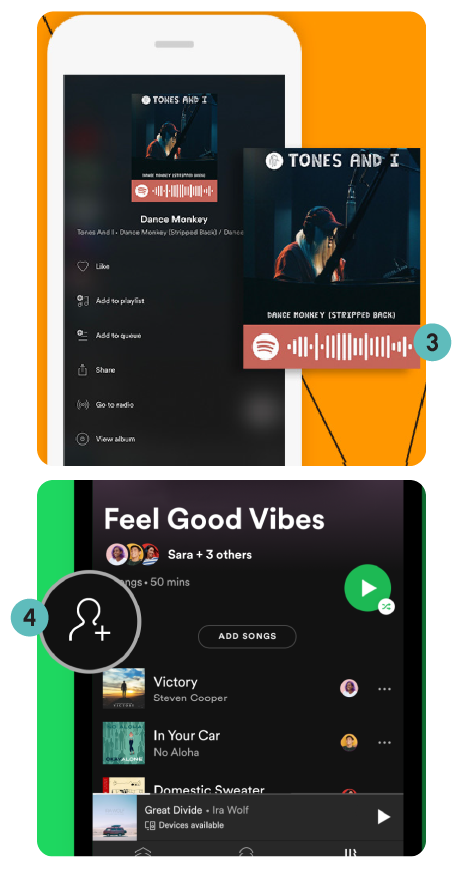
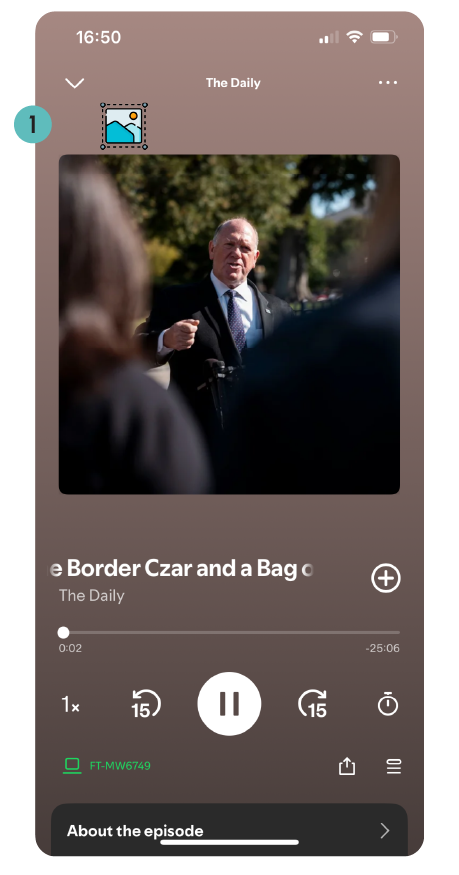
They design each product with frictionless distribution in mind, thinking of how a story, clip or social card looks when screenshotted, linked or forwarded. They add clear share buttons, social-friendly visuals and one-sentence summaries. Shareability is not luck for these producers but rather a product feature, and the easier it is for audiences to recirculate work, the more likely it becomes part of their online identity. Most news producers today have share buttons on their articles, but there is room to learn from beyond news. For example, Spotify detects when users take screenshots while in the app and automatically generates a custom- designed share card. Every song also has its unique QR code for offline sharing.
Spotify
- When a user takes a screenshot of the podcast or song they are listening to
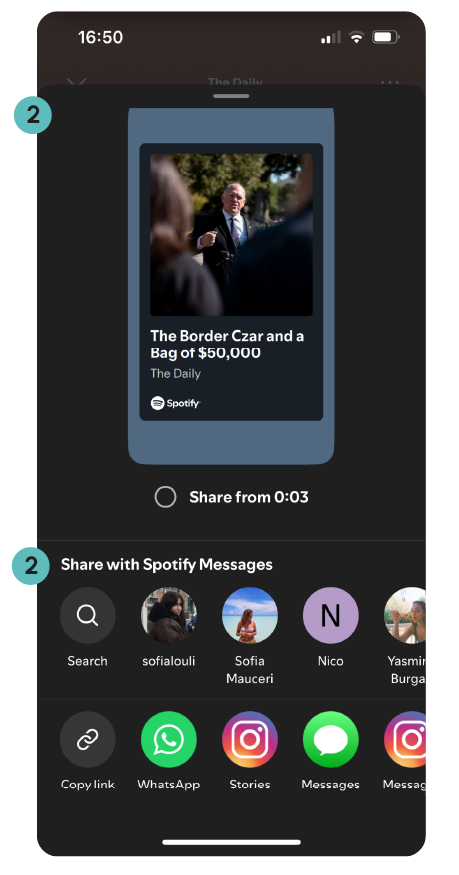
- Spotify then creates a designed card that automatically appears after the screenshot, and provides an easy way to share
- Spotify also creates unique and scannable QR codes of their song to enable easier offline 'sharing'
- Spotify also enables the ability of co-create playlists (of songs or podcasts) between various users